A1 Las Vegas Locksmiths Service Team
Local locksmith team
Aug 13, 2026 10 min read
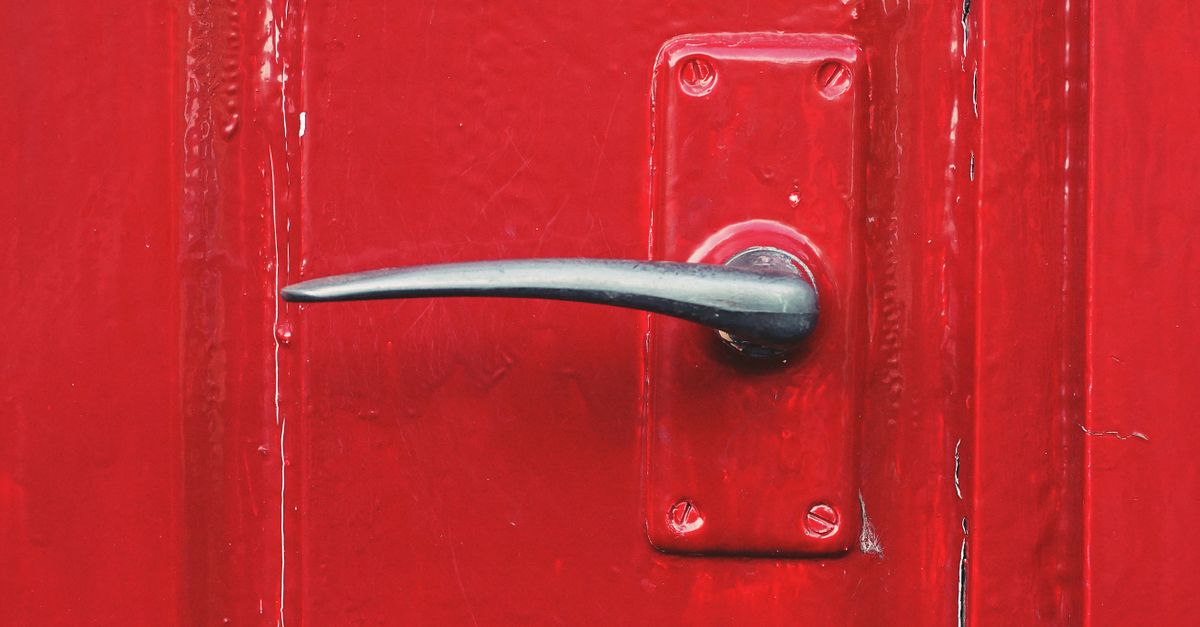
You walk up to your front door, key in hand, and something feels off — the lock is stiff, the knob spins loose, or the door just refuses to cooperate. Before you can get the right fix, you need to know exactly what kind of lock you are dealing with. The two most common lock types on residential and light commercial doors in Las Vegas are the mortise lock and the cylindrical door knob lock, and while they may look similar at a glance, they are fundamentally different in design, installation depth, and repair needs. Getting that distinction wrong means ordering the wrong parts or calling for the wrong service — and wasting time you do not have.
This guide gives you a plain-language, visual-style breakdown of both lock types: what they look like, where you will find them, how they work, and exactly what to tell a locksmith when something goes wrong. Whether you are dealing with a finicky old knob lock on a rental property near Summerlin or a multi-point mortise lock set on a commercial suite off the Las Vegas Strip, knowing what is on your door is step one to getting it fixed fast.
## What Is a Mortise Lock — and How Do You Spot One?
A mortise lock is a lock mechanism that is installed inside a deep rectangular pocket — called a mortise — cut directly into the edge of the door. Instead of sitting on top of the door surface like a standard knob lock, the entire lock body is recessed flush within the door itself. What you see from the outside is a trim plate (called an escutcheon), a keyhole or cylinder, and sometimes a thumb turn or lever handle. On the inside, you typically see a longer faceplate with both a latch bolt and a deadbolt controlled by the same housing. The hardware feels substantial and solid because the mortise lock set behind it genuinely is — the internal chassis contains springs, cams, levers, and sometimes a secondary bolt all packed into one cartridge.
Mortise locks are common on older Las Vegas homes built before the 1970s, on heavy commercial-grade exterior doors, on hotel room entry doors, and increasingly on high-end residential upgrades. If you pull your door open and see a large rectangular steel pocket cut into the door's edge rather than a simple circular bore hole, you have a mortise lock. Another telltale sign: the faceplate on the door edge is taller than it is wide — often three to five inches tall — compared to the compact round faceplate of a standard cylindrical lock.
## Door Knob Lock Basics: The Cylinder Lock You See Every Day
The door knob lock — also called a cylindrical or bored lock — is the most familiar lock type in American homes. Installation requires two round bore holes: a large one through the face of the door for the knob and lock mechanism, and a smaller one through the door edge for the latch bolt. The entire working mechanism is self-contained inside the two knob assemblies, connected by a spindle through the door. When you turn the knob, the spindle retracts the spring latch. When you press the lock button or turn the thumb turn inside, a pin or cam inside the cylinder engages and holds the latch or a separate deadbolt in the locked position.
A door knob with lock is the default on the vast majority of tract homes, apartments, and interior commercial doors in Las Vegas. If your door has a round knob with a small hole or button on the outside and a push-button or thumb-turn on the inside, that is a cylindrical knob lock. A door knob with lock and key typically pairs with a separate deadbolt above it for better security — a combination you will see constantly on residential front doors throughout Henderson, North Las Vegas, and the Spring Valley area. The repair process, rekeying procedure, and replacement parts for a knob lock are entirely different from those for a mortise lock, which is exactly why identifying your hardware correctly matters before you call for help.
## Side-by-Side: Key Differences That Matter for Repair and Emergency Locksmith Calls
Here is the practical comparison that actually helps when something breaks. A mortise lock requires a locksmith to either remove the entire lock body from the door pocket or service it in place — neither is a two-minute job. The internal mechanism has more moving parts, the installation is more labor-intensive, and sourcing a matching replacement mortise lock set for an older door can take extra time if the cartridge dimensions are non-standard. If you are locked out of a property secured by a mortise lock after midnight near the Arts District, an experienced emergency locksmith needs to know that upfront so they arrive with the right tools and, if necessary, the right replacement hardware.
A standard door knob lock is generally faster to service, rekey, or replace because the parts are more universally available and the installation process is simpler. However, a spinning knob, a frozen cylinder, or a snapped spindle on a knob lock still requires professional attention — the internal components are small and precise. Never force a stiff knob lock by wrenching it hard; you risk snapping the spindle or deforming the latch, turning a simple fix into a full replacement. The bottom line: both lock types need a skilled hand, but the time, tools, and parts involved differ enough that telling your locksmith which type you have before they drive out saves everyone time.
## How Much Does a Locksmith Cost in Las Vegas — and What Drives the Price?
One of the most common questions we hear — right alongside 'what is a mortise lock?' — is how much a locksmith costs in Las Vegas or how much an emergency locksmith costs near you. There is no single flat answer, and any company that quotes you a price before knowing the details of your situation should raise a flag. The factors that shape the final price include the type of lock involved (a mortise lock set service involves more labor and potentially pricier parts than a standard knob lock rekey), the time of day (overnight and weekend calls involve different logistics than a midday appointment), travel distance from our team to your location, and whether the job requires new hardware or can be completed with what is already on the door.
You may also hear the term 'call-out fee' — this refers to a dispatch or service-call charge that some locksmiths apply just for arriving on site, separate from the labor and parts cost. At A1 Las Vegas Locksmiths, we walk you through exactly what your job will cost before any work begins. No surprises, no additions after the fact. Whether you are a homeowner in Centennial Hills dealing with a broken mortise lock or a property manager on Flamingo Road needing six knob locks rekeyed, you get a clear, confirmed price upfront. Call (702) 200-1678 any time — our team answers around the clock, every day of the year.
## What to Do Right Now If You Are Locked Out — and What NOT to Do
If you are locked out, the first practical steps have nothing to do with the lock itself. Check every other entry point: a back door, a garage entry, a window you may have left unlatched. Ask whether a trusted neighbor, family member, or building manager has a spare key. If you are locked out of a commercial property, check whether a co-worker or your property management company has access. These steps cost nothing and sometimes resolve the situation in minutes.
Resist the urge to search online for tips on how to pick a door knob lock or bypass a mortise lock yourself. Beyond the legal complications of attempting to enter a property without verified authorization, DIY lock bypass attempts on a mortise lock frequently damage the internal cartridge — turning a lockout call into a full lock replacement. A trained locksmith will verify ownership or authorization before beginning any work, use the right non-destructive technique for your specific lock type, and leave your door hardware functional when the job is done. If you are in a genuinely urgent situation anywhere in the greater Las Vegas area — whether that is a lockout on a quiet street in Summerlin at 2 a.m. or a broken mortise lock on a business door before the morning rush — call (702) 200-1678. We operate 24 hours a day, 7 days a week, with mobile teams already in the valley.
Frequently asked questions
What is a mortise lock and how is it different from a regular door knob lock?+
A mortise lock is a lock mechanism housed inside a deep rectangular pocket cut into the door's edge, making it flush with the door rather than attached to its surface. It typically controls both a latch and a deadbolt through one integrated chassis. A standard door knob lock, by contrast, is installed through two round bore holes and sits on the door's face. Mortise locks are more complex, tend to appear on older homes and commercial-grade doors, and require more specialized service than a cylindrical knob lock.
How do I know if I have a mortise lock set or a cylindrical lock before calling a locksmith?+
Look at the edge of your door where the latch meets the frame. If you see a tall, narrow rectangular metal faceplate — usually three to five inches tall — and the door edge has a deep rectangular pocket behind it, you have a mortise lock set. If the faceplate is small and roughly square with a single round latch bolt, you have a cylindrical lock. Also check the interior: mortise locks usually show a longer escutcheon plate with multiple functions (latch and deadbolt) on one plate, while knob locks show two separate knobs connected by a spindle.
How much does an emergency locksmith cost near me in Las Vegas?+
The cost depends on several specific factors: the type of lock on your door (a mortise lock job involves more labor and potentially specialized parts compared to a standard knob lock), the time of day you call, how far our mobile team needs to travel to reach you, and whether your situation requires new hardware or just unlocking and rekeying. You may also see a call-out or service fee referenced by some locksmiths — this is a dispatch charge applied before labor. At A1 Las Vegas Locksmiths, we confirm your exact price before any work starts so there are no surprises on the bill. Call (702) 200-1678 for a straightforward quote.
Can I pick my own door knob lock if I get locked out?+
We strongly advise against attempting to pick any lock yourself, including a standard door knob lock. Attempting to manipulate the pins or cams inside a lock without the proper tools and training almost always causes internal damage — bent pins, deformed cams, or a broken cylinder — that turns a simple lockout into a full lock replacement. There are also legal considerations: attempting entry without being able to demonstrate ownership or authorization can create serious problems. The right move is to check for spare keys, try other entry points, or call a professional locksmith who can verify your authorization and open the door without damage.