Why Keys Snap and What Happens Inside the Lock
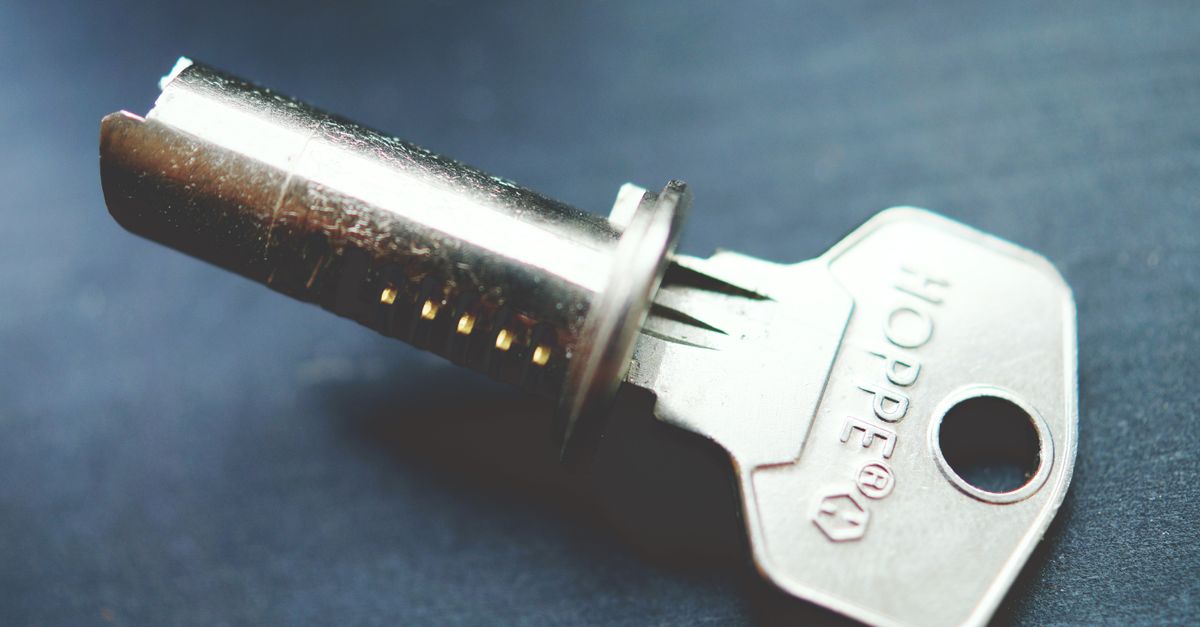
Keys break for a surprisingly straightforward set of reasons: metal fatigue from years of daily use, a lock cylinder that has become stiff due to dirt, corrosion, or misalignment, or simple bad luck — turning the key at a slight angle while the bolt is under tension. Las Vegas's extreme heat accelerates wear on both key metal and lock internals; brass keys expand and contract repeatedly through summer highs above 110°F and cooler desert nights, gradually weakening the blade near the bow. When a key finally snaps, the broken fragment typically lodges in the keyway, sometimes flush with the face of the cylinder, sometimes recessed an inch or more inside.
Once a fragment is stuck, attempting to remove it with improvised tools — tweezers, bobby pins, or a thin knife — almost always makes things worse. The fragment can be pushed deeper into the cylinder, the keyway can be scratched or deformed, and the lock pins can be disturbed in ways that complicate professional extraction later. The safest immediate step is to stop, leave the fragment in place, and call a professional. Our team serves the entire Las Vegas metro — from Summerlin and Henderson to North Las Vegas and the downtown Arts District — and we operate 24 hours a day, every day of the year.