A1 Las Vegas Locksmiths Service Team
Local locksmith team
May 21, 2026 11 min read
If you've ever tried to unlock your front door after a July afternoon in Summerlin or fought with a sticky ignition on a scorching Tuesday in Henderson, you already know that Las Vegas heat doesn't just make you uncomfortable — it makes your locks miserable too. Temperatures that regularly push past 110°F on the Strip and in surrounding neighborhoods create a unique set of mechanical and electronic problems that most lock guides written for cooler climates never address.
At A1 Las Vegas Locksmiths, our mobile team responds to heat-related lock failures every single summer — warped door frames in North Las Vegas, swollen cylinders on commercial storefronts near Fremont Street, and dead key fobs baked inside parked cars on Flamingo Road. This guide breaks down exactly what extreme desert heat does to your locks and ignition systems, which hardware holds up best, and how to protect your home, car, and business before a minor nuisance turns into a full lockout.
## How 110-Degree Heat Physically Wrecks Your Lock Cylinders and Door Knob Locks
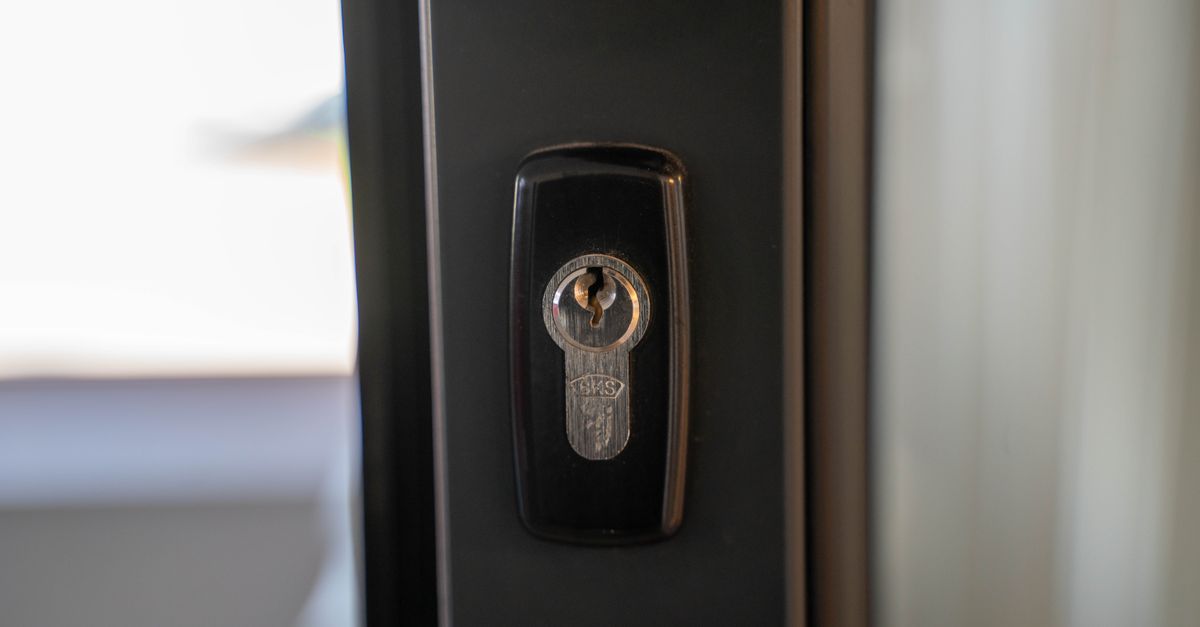
A lock cylinder is a precision assembly — pins, springs, and a plug that must align within fractions of a millimeter to turn smoothly. When ambient temperatures spike past 100°F and a metal door facing west absorbs direct sun, the surface of that door can reach 160°F or higher. At those temperatures, steel expands, aluminum warps, and the door frame itself can bow outward, shifting the alignment between your deadbolt and the strike plate. The result is a bolt that grinds, a door knob lock that refuses to retract cleanly, or a cylinder that turns but won't actually open the door because the bolt can no longer find its hole. In older Las Vegas homes — particularly ranch-style properties built in the 1970s and 1980s around areas like Spring Valley and Whitney — wooden door frames compound the problem because wood swells with heat and dries unevenly, tightening the frame around an already-struggling lock.
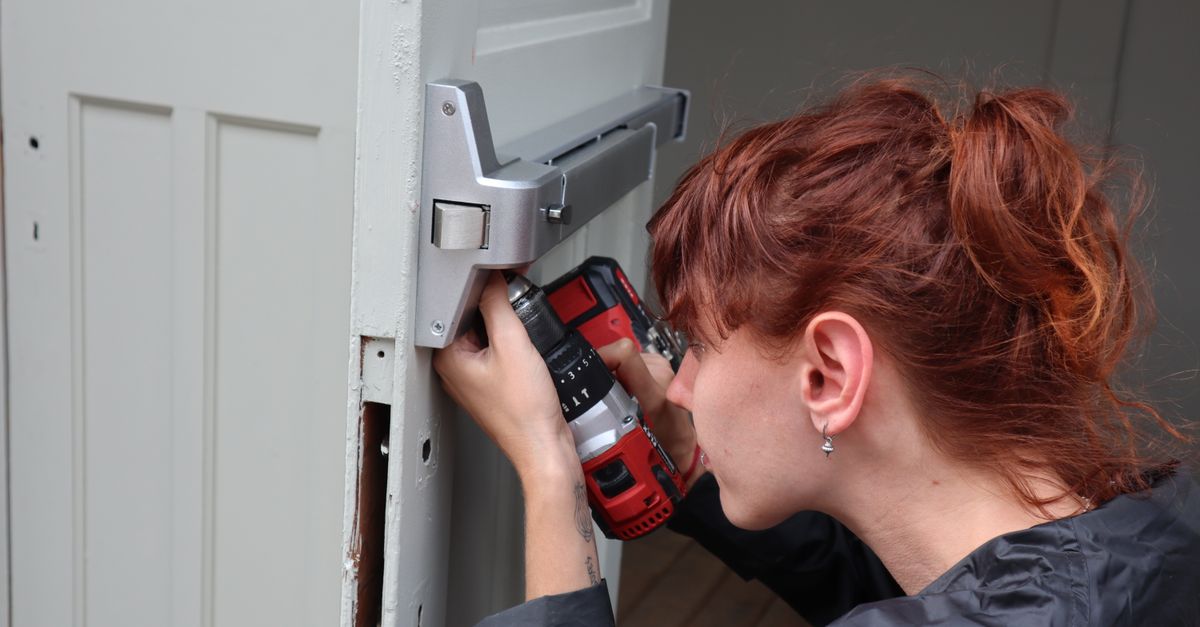
Mortise locks, which are set into a pocket (or mortise) carved into the door edge rather than mounted through a hole in the face, are especially sensitive to this kind of frame movement. A mortise lock is a more complex mechanism than a standard cylindrical lock, and its multi-point latch-and-deadbolt system depends on the door sitting squarely in its frame. When desert heat warps that frame even slightly, the internal cam that drives the latch can bind, the faceplate can press against the jamb, and the whole assembly can seize. If your mortise lock has been running stiff through the spring and gets dramatically worse in June, heat-related frame shift is almost certainly the cause. Ignoring it means you are one hot afternoon away from a full lockout — and from needing an emergency locksmith at the worst possible time.
## What Extreme Heat Does to Key Fobs, Smart Locks, and Electronic Ignitions
Modern vehicles and smart-home systems have added a whole new category of heat vulnerability. A standard key fob contains a small lithium battery, a circuit board, and rubber button pads — none of which enjoy sustained exposure to 130°F car interiors. The battery loses voltage rapidly at high temperatures, shortening its effective life from years to months if the fob is left in a hot car regularly. More damaging is what heat does to the rubber seals around the buttons: they dry, crack, and lose their tactile response, causing missed signals and requiring harder presses before the car recognizes the command. When the fob's signal becomes inconsistent, many drivers assume their ignition cylinder is the problem — and sometimes it is both.
Car ignition cylinders suffer from the same metal-expansion issues as door locks, but with an added complication: the key itself. Cheap or worn keys expand and contract with temperature cycles, gradually rounding the cuts that engage the ignition wafers. After a summer or two of Las Vegas heat cycles, a key that started out crisp can develop enough play to make the cylinder feel loose or, worse, to intermittently fail to turn. Electronic ignitions in newer vehicles face thermal stress on the transponder chip embedded in the key head — repeated baking can degrade the chip's signal strength, leading to 'no key detected' errors that look exactly like an ignition failure but are actually a transponder issue. Our mobile team carries the diagnostic tools to distinguish between a dead transponder, a worn cylinder, and a failed immobilizer module, so you get an accurate fix rather than an expensive guess.
## Hardware That Actually Survives Las Vegas Summers — Mortise Locks, Grade 1 Deadbolts, and Smart Lock Considerations
Not all lock hardware is created equal, and the gap between a builder-grade lock and a desert-rated one becomes obvious after one Las Vegas summer. For residential and light-commercial doors, we recommend ANSI Grade 1 deadbolts — the top tier of residential hardware — paired with a solid mortise lock on any exterior door that sees significant sun exposure. Brands like Schlage and Kwikset both produce Grade 1 mortise lock sets with solid brass or hardened steel cylinders that resist expansion better than zinc-alloy alternatives. The mortise lock's advantage in desert conditions goes beyond aesthetics: because the hardware is recessed into the door rather than surface-mounted, it is less exposed to direct radiant heat, and its multi-point engagement gives it more margin for frame movement before it fails to function.
For smart locks, the story is more nuanced. Many Wi-Fi-enabled or Z-Wave locks carry operating-temperature ratings that stop at 104°F — which sounds high until you remember that a dark metal door in direct Las Vegas sun can stay above that threshold for six or more hours per day in summer. If you want a keypad or connected lock on a west- or south-facing door, look specifically for models rated to 120°F or higher, and consider adding a UV-blocking storm door to reduce surface temperatures. For key fobs, a simple habit change helps enormously: keep your fob in your pocket rather than in the car, and replace the battery proactively every 12 months rather than waiting for failure. If you're unsure which hardware makes sense for your specific door, entry type, or vehicle, call us at (702) 200-1678 — our mobile locksmiths assess your setup on-site and explain options before any work begins.
## Emergency Locksmith Calls in Summer: What to Expect and How Costs Are Determined
A lockout on a 112°F afternoon near the Las Vegas Convention Center or in a parking garage off Tropicana Avenue is not the moment to start researching your options from scratch. Knowing in advance how emergency locksmith pricing works — and what questions to ask — saves you stress when you need help fast. When you call A1 Las Vegas Locksmiths, we confirm an exact up-front price before any work starts. That price reflects several real factors: the type of lock or vehicle involved (a standard door knob lock takes different tooling than a high-security mortise lock or a transponder ignition), the time of day (after-hours and overnight calls involve different logistics than a midday visit), your location within the Las Vegas area (travel distance from our nearest mobile unit affects response time and is factored into the quote), and whether parts — a new cylinder, a replacement key fob shell, a rekeyed mortise lock — are needed on the spot.
Questions like 'how much does a locksmith cost in Las Vegas?' or 'how much does an emergency locksmith cost near me?' are completely reasonable, and we answer them directly rather than giving vague ranges. What is a locksmith call out fee? Many services charge a dispatch or call-out fee to cover travel, separate from the labor involved in the actual job — we explain our full pricing structure on the call so there are no surprises when our technician arrives. 'How much does a locksmith cost in my area?' depends on exactly these local variables, which is why an honest provider quotes your specific situation rather than a one-size-fits-all number. Our 24-hour availability means the same professional service is available whether you call at noon or 3 a.m. — our mobile locksmiths serve the entire Las Vegas valley around the clock, every day of the year.
## Practical Steps Las Vegas Homeowners and Drivers Should Take Right Now
Prevention is significantly less disruptive than an emergency call. Start by inspecting every exterior lock on your home before the hottest weeks hit in late June. Work each key slowly and pay attention to resistance: a lock that requires extra force or wobbles is already showing heat stress. Lubricate cylinders with a dry graphite lubricant (not WD-40, which attracts dust and gums up in heat) and check door alignment by watching whether the bolt seats cleanly in the strike plate. If your home has older mortise locks — common in mid-century Las Vegas properties — have them professionally serviced or upgraded, since worn mortise lock components fail faster under thermal stress. On the vehicle side, avoid leaving keys or fobs in a hot car, keep a physical backup key for your vehicle in a safe place at home, and test your fob range periodically: if you notice it only works at close range, replace the battery before it fails entirely in a parking lot.
For businesses along the 215 corridor, in the Arts District, or running commercial operations near the airport, heat-related lock failures can mean more than personal inconvenience — they can disrupt operations, create security gaps, or strand employees. Our commercial locksmith services cover high-security mortise lock installation, master key systems, access control, and after-hours emergency response for businesses of all sizes. A professional site assessment can identify the weakest points in your building's entry hardware before summer peaks. Whether you manage a retail location, an office suite, or a multi-unit residential property, our experienced mobile team can be on-site quickly anywhere in the Las Vegas valley. Call (702) 200-1678 any time — we answer 24 hours a day, 7 days a week, and we'll confirm your quote before a single tool comes out of the bag.
Frequently asked questions
How much does a locksmith cost in Las Vegas, and what drives the final price?+
There is no single flat price because several real variables determine your quote: the type of lock or vehicle (a basic door knob lock costs differently to service than a high-security mortise lock or a transponder car key), the time of day, your location within the Las Vegas valley, and whether parts need to be replaced on the spot. At A1 Las Vegas Locksmiths, we confirm your exact price up front before any work begins, so you know precisely what you're agreeing to. Call (702) 200-1678 and we'll give you a clear quote for your specific situation.
What is a locksmith call out fee, and does A1 Las Vegas Locksmiths charge one?+
A call-out or dispatch fee covers the cost of getting a mobile locksmith to your location — it is separate from the labor and parts involved in the actual job. Some services bundle it into the total; others list it separately. We explain our complete pricing structure clearly when you call, before our technician is dispatched, so you understand exactly what each part of the charge covers. There are no hidden fees added after the work is done.
My car ignition feels sticky in summer — is that a heat problem or something else?+
Very likely heat-related, and possibly both the cylinder and the key. In Las Vegas summers, metal ignition cylinders expand and the worn cuts on keys round out through repeated heat cycles, creating binding that feels like a mechanical failure. It could also be a transponder chip issue in the key head, which mimics an ignition problem but is an entirely different repair. Our mobile locksmiths carry diagnostic equipment to identify the exact cause on-site so you get the right fix. If you're stuck, call (702) 200-1678 and we'll get a technician to you — 24 hours a day.
How do I know if my mortise lock needs to be serviced or replaced after a hot Las Vegas summer?+
Watch for these signs: the key requires noticeably more force than it used to, the latch or deadbolt doesn't retract smoothly, the door feels like it's binding against the frame even when unlocked, or you hear grinding when operating the lock. A mortise lock in thermal stress often starts with stiffness and progresses to partial or complete failure if ignored. A professional inspection can determine whether lubrication and minor adjustment will solve the problem or whether the internal mechanism or door alignment needs more substantial attention. Do not wait for a full lockout — catching it early is far less disruptive.